











Almond Protein in Functional Beverages: Spec, Behavior, and Application
September 2, 2026

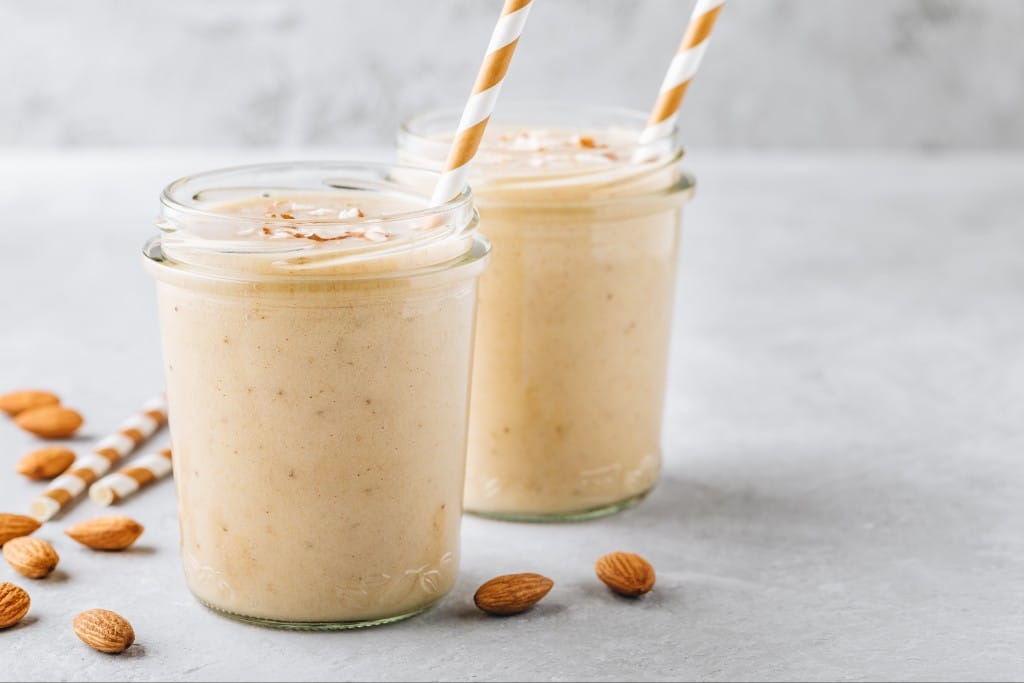
A protein beverage rarely fails on its label. It fails in the pour, in the shake, or in the second week on the shelf, when the texture thins and the flavor drifts. Almond protein answers that problem at the source, because it brings nutrition and functional behavior from the same ingredient instead of borrowing one and bolting on the other.
For formulators, almond protein is worth evaluating on three fronts: its spec, its behavior in a liquid system, and how it performs across beverage applications. Handled well on all three, it delivers a mild flavor, a balanced micronutrient profile, and a texture that carries its weight without fighting the rest of the formula.
What Almond Protein Is and How It Is Made
Almond protein begins as a whole California almond and ends as a fine, defatted powder. Producers press the almond to draw off its oil, then mill the remaining solids into a powder with most of the fat removed. The process concentrates the protein and hands formulators a low-fat, plant-based ingredient that mixes cleanly into liquid systems.
Whole almonds hold roughly 20 grams of protein per 100 grams, and the powder concentrates that figure higher once the oil is pressed out. The ingredient also keeps the micronutrients almonds are known for, including vitamin E, magnesium, calcium, and iron, alongside a balanced amino acid profile that suits health-focused formulas.
Read: What Is Almond Protein Powder
Almond Protein Spec: Nutritional Profile and Key Numbers
Almond protein is specified by a handful of numbers that shape everything downstream: protein percentage by dry weight, residual fat after pressing, and the fat-to-protein ratio that drives mouthfeel. Confirm the protein percentage on the supplier spec, since it varies with how far the powder is defatted. Each component below carries a job that shows up in the finished drink.
| Component | What It Contributes | Why Formulators Care |
| Protein (~20g per 100g whole almond, concentrated in the powder) | Body, emulsion structure, satiety | Supports protein claims without heavy stabilizers |
| Low residual fat | Lighter mouthfeel after pressing | Cleaner texture in ready-to-drink formats |
| Fiber | Moisture binding, satiety | Improves mouthfeel and supports a fuller nutrition story |
| Vitamin E | Antioxidant support | Strengthens a clean-label nutrition story |
| Magnesium, calcium, iron | Micronutrient density | Adds functional value beyond protein alone |
| Balanced amino acids | Rounded protein quality | Suits health-focused and plant-based positioning |
Almond protein also arrives naturally free from gluten, dairy, and soy, which keeps the label short for allergen-conscious lines.
Almond Protein Behavior in Liquid Systems
Protein gives a beverage its body, its stability, and much of its mouthfeel. In almond protein, body and stability come from the almond itself rather than from a stack of gums added to paper over a weak base, so a formula built on strong protein needs fewer corrective additives later.
Three behaviors matter most once almond protein enters a liquid system:
- Emulsion stability. Well-preserved protein helps bind water and fat, which means less separation across shelf life and a more consistent product from the first pour to the last.
- Texture and mouthfeel. The fine particle size blends into a smooth body, contributing richness without the chalky finish that drags down many plant proteins.
- Flavor under heat. Gently processed protein holds a mild, slightly sweet, nutty note instead of turning bitter or beany the way over-processed protein does.
That neutral behavior lets almond protein share a formula with adaptogens, botanicals, and other functional ingredients without muddying the flavor.
pH is the behavior that surprises formulators most. Almond protein stays highly soluble across both near-neutral and acidic systems, but its foaming and viscosity shift with pH, so an acidic fruit-forward drink and a neutral dairy alternative behave differently on the same protein.
Read: Functional Ingredients in Protein Beverages
How Almond Protein Compares to Other Plant Proteins
Plant proteins are not interchangeable, and the choice shapes flavor, label, and audience all at once. Almond protein sits in a useful middle ground, clean-tasting and allergen-friendly for the growing base of consumers steering clear of dairy and soy.
Whey still leads on raw protein density and a complete amino acid profile, which keeps it dominant in sports nutrition. The two proteins serve different priorities:
With dairy whey: high protein per scoop and complete amino acids, but off the table for vegan and lactose-sensitive lines.
With almond protein: plant-based and naturally free from dairy, gluten, and soy, with a nutty neutrality that fits more flavor systems.
Read: Plant-Based vs Whey Protein
Almond Protein Application in Beverage Formulation
Almond protein moves easily across drink formats because its flavor stays in the background, and each application leans on a different one of its properties.
- Ready-to-drink shakes. Body and emulsion stability keep the drink from separating across a long shelf life.
- Dairy alternatives. A neutral, lightly sweet flavor and smooth texture stand in for milk without a beany finish.
- Recovery and sports beverages. Plant-based protein and a clean amino acid profile support the nutrition claim for vegan and lactose-sensitive lines.
- Protein blends. Almond’s mild flavor rounds out sharper proteins like pea, smoothing the overall taste of the base.
Format decided, the ingredient still has to survive the process, so test almond protein in your own line rather than at the benchtop:
- Check whether the protein was denatured during processing, since over-denaturation reduces functional performance.
- Test how the ingredient holds under the heat and shear of your actual process, not just at ambient temperature.
- Verify particle size and solubility so the powder disperses cleanly without grit.
- Confirm behavior at your target pH, since foaming and viscosity move with it.
The ingredient is only as good as the almond it starts from, so sourcing belongs in the same evaluation as the spec sheet. A processor that controls its own supply can hold the almond base to consistent compositional standards, and a consistent base is what lets the protein behave predictably batch after batch.
Almond Protein in a Finished Beverage: Almond Milk 2.0
Almond Milk 2.0 shows what a strong almond protein base looks like once it reaches a carton. We developed it as a finished, ready-to-use almond milk that carries 3g of protein per 100 mL, uses no added oils, and froths into a dense microfoam that holds for 45 minutes or more across hot and cold drinks. It ships in original flavor and one-liter aseptic packaging, built on the same grower-owned almond supply as our ingredient line. Almond Milk 2.0 won a 2025 Best New Product Award for Specialty Non-Coffee Beverage Standalone at the Houston Specialty Coffee Expo.
Build Your Next Beverage With Harris Woolf Almonds
A clean-label protein beverage lives or dies on the quality of its base ingredient, and almond protein rewards formulators who source it with care.
At Harris Woolf Almonds, we’ve spent 35 years working directly with California growers through a vertically integrated supply chain. Owning the chain end to end lets us source almonds to exact standards and protect the functional properties beverage developers depend on, from our SQF Certified, USDA Organic almond protein powder to custom ingredient formulations built around your spec.
Partner with Harris Woolf Almonds on a protein that performs as well as it reads. Request a sample or spec consultation today.
Frequently Asked Questions
How Much Protein Is in Almond Protein Powder?
Whole almonds hold roughly 20 grams of protein per 100 grams, and defatting concentrates the powder well above that figure. Confirm the exact percentage by dry weight on the supplier spec, since it varies with processing.
Is Almond Protein Gluten Free?
Yes. Almond protein is naturally free from gluten, dairy, and soy, which keeps the ingredient list short for allergen-conscious lines. It is a tree-nut ingredient, so standard nut allergen labeling applies.
How Does pH Affect Almond Protein in a Beverage?
Almond protein stays highly soluble in both near-neutral and acidic systems, but foaming and viscosity shift with pH. Test the ingredient in your final matrix rather than at a single benchtop pH.