










Best Non Dairy Milk for Latte Art in Coffee Shops: What to Look For
May 21, 2026

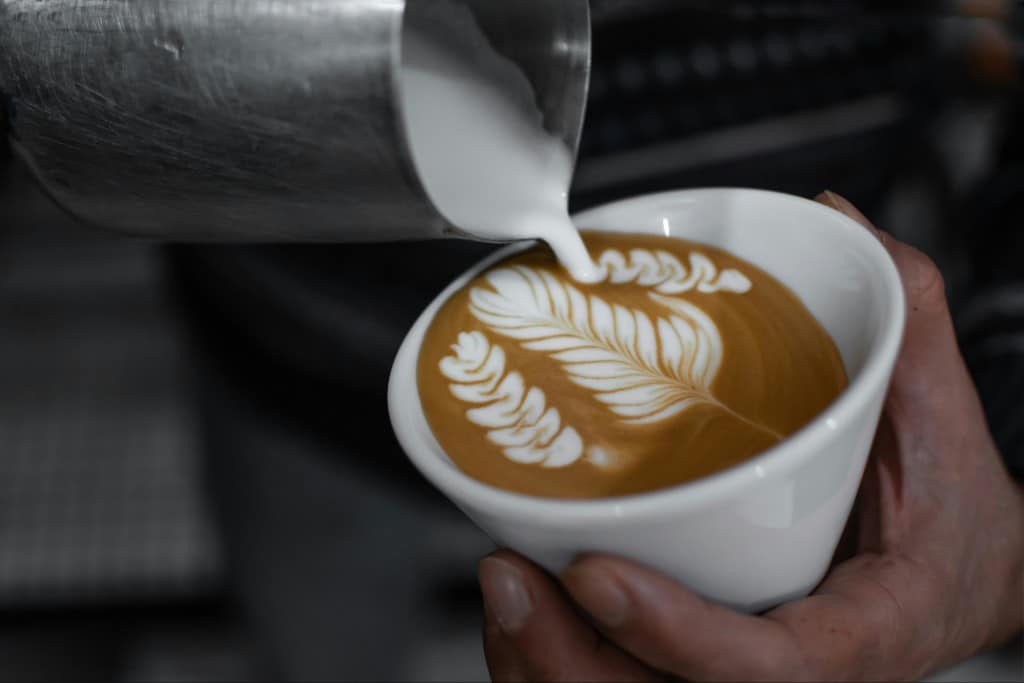
Coffee shops continue to raise expectations for plant-based beverages, especially when latte art is part of the experience. Finding the best non dairy milk for latte art starts with choosing one that delivers a smooth pour, creamy texture, and balanced coffee profile. For teams developing products for café menus and barista-style applications, those qualities can help create beverages that feel polished, consistent, and ready for real coffee shop use.
What Makes a Non-Dairy Milk Good For Latte Art
In coffee shops, latte art adds to the overall drink experience, so the milk needs to support a finish that looks polished and feels well-made in the cup. A strong non-dairy milk gives baristas a smooth surface to work with and helps the latte come together in a way that feels clean, balanced, and appealing.
The qualities that matter most include:
- Fine Microfoam: Latte art looks its best on a surface that appears smooth, glossy, and tightly textured. Small, even bubbles create a cleaner background for hearts, rosettas, and other patterns to stand out.
- Stable Texture: The milk should stay velvety as it moves from steaming to pouring. When the texture stays settled, the drink holds together with a more polished look in the cup.
- Good Pour Control: Some milks feel easier to guide than others, especially when working through the crema. That steady, responsive flow gives baristas more freedom to place shapes with accuracy.
- Balanced Flavor: A pleasant latte still needs to taste like coffee. The milk should bring softness and body while allowing the espresso to stay present in the overall profile.
- Strong In-Cup Performance: After the pour is finished, the drink should still feel inviting on the counter and in the hand. A milk that keeps its texture and appearance in place adds to that sense of quality.
What To Look For In The Best Non-Dairy Milk For Latte Art
In coffee shop settings, the right option needs to feel dependable across daily use, work well in espresso drinks, and align with the broader goals behind the product.
Heat Stability
Steaming should feel consistent from one drink to the next, without the milk losing its character along the way. A product that stays cohesive under heat usually brings more confidence during service.
Flavor In Espresso Drinks
Some milks taste pleasant on their own, though coffee tells the fuller story. Testing in actual espresso beverages gives a clearer sense of how the milk supports the drink as a whole.
Ingredient Deck And Label Direction
Ingredient choices often shape how a product is positioned in the market. For many businesses, the milk needs to make sense functionally and fit naturally within a clean, intentional product story.
Batch Consistency
A strong product should feel familiar each time it is used. That kind of consistency can make planning, purchasing, and product development feel much more straightforward.
Operational Fit
Day-to-day use matters in busy coffee environments. A milk that handles well in service can make a meaningful difference in how smoothly drinks come together behind the bar.
Commercial Value
Product selection often comes down to a bigger picture that includes performance, sourcing, and long-term potential. The options that stand out usually support quality in the cup while fitting the needs of the business behind it.
How Formulation Affects Latte Art Performance
What happens in the cup often starts with choices made much earlier in development. Formulation shapes the structure of a plant-based milk and influences how it performs in coffee applications, from the way it steams to the way it carries flavor alongside espresso. Small changes in composition can lead to a noticeably different experience behind the bar.
A formulation developed for coffee may be designed around goals such as:
- Protein Support: Protein plays a role in how the milk is structured and how it responds during steaming. In coffee applications, this can shape the character and finish of the foam.
- Fat Balance: The level and type of fat can influence richness, body, and the overall feel of the drink. A well-balanced profile often brings a creamier impression without taking too much attention away from the espresso.
- Viscosity Control: Texture begins with how the milk is built. A formulation with the right level of body tends to feel more intentional in the pitcher and more composed once poured.
- Stabilizing Systems: Stabilizing ingredients help maintain uniformity throughout the product. In coffee shop use, that added structure can support a more reliable experience across repeated preparation.
- Application Design: Some products are created with coffee service in mind, while others are developed for broader beverage use. That difference in purpose often explains why one milk feels more ready for latte art than another.
These formulation choices shape how each plant-based milk shows up in coffee shop use. They influence the texture in the pitcher, the feel of the pour, and the overall character of the drink once it reaches the cup, and that is why oat, soy, pea, and almond milk do not all bring the same experience to latte art, even when they are developed for similar applications.
Why Almond Milk Stands Out In Coffee Shop Applications
Plant-based milks can all serve a purpose in coffee shop menus, though they do not all bring the same qualities to latte art. Oat milk is often chosen for body and a familiar café feel, while soy and pea-based options are often valued for their protein content and long-standing place in coffee. Almond stands apart in a different way, with a cleaner flavor profile and a lighter overall presence that can help keep the espresso clear while still supporting the smooth finish baristas want for latte art.
That balance is part of what makes almond milk so appealing in coffee shop applications. A lighter flavor profile and polished texture can help create drinks that look refined in the cup while keeping the espresso at the center of the experience. Harris Woolf Almonds takes that same approach with Almond Milk 2.0, a creamy, frothy, dairy-like almond milk developed for beverage makers who need strong barista-style performance, smooth texture, and reliable results in lattes, cappuccinos, and other coffee applications.
Take Your Plant-Based Coffee Beverages Further With Harris Woolf Almonds
The best non-dairy milk for latte art helps create coffee drinks with the texture, balance, and consistency that coffee shops look for in every cup. For businesses developing plant-based beverages, choosing the right milk can shape both barista performance and the overall drink experience.
At Harris Woolf Almonds, we help businesses create almond-based ingredients designed for real product performance. From Almond Milk 2.0 and almond protein powder to almond paste and other nut-based ingredients, our focus is on high-quality ingredients, customization, and dependable support for every stage of development. We work with brands looking to create café-ready beverages and other innovative products with ingredients that feel polished, functional, and ready to grow with their business.
Bring your next beverage concept to life with Harris Woolf Almonds. Request a sample today.