

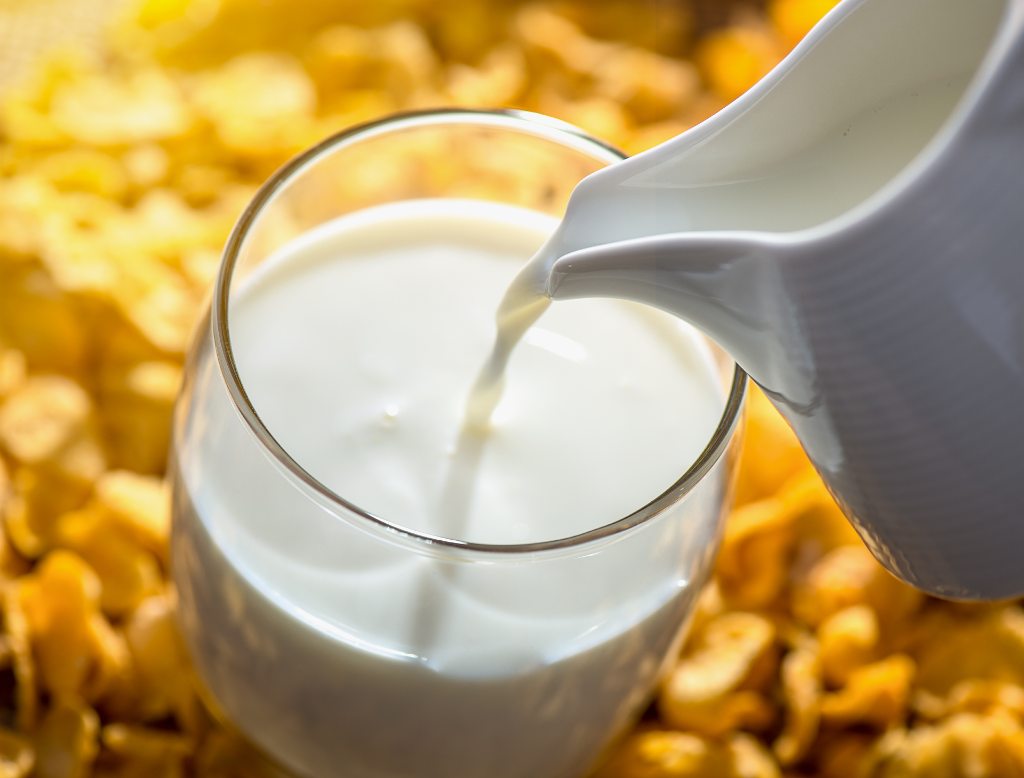
When considering whether regular milk is gluten free, it’s reassuring to know that plain milk contains no gluten proteins. Understanding its natural safety, common risks like flavoring or cross-contact, and how to ensure certification can help food innovators confidently source and formulate gluten‑free milk ingredients.









How to Make Sure Your Milk Is 100% Gluten‑Free
September 8, 2025

As interest in clean‑label products continues to expand, many food teams are looking closely at gluten‑free claims across dairy and plant‑based offerings.
What Gluten Is and Why It Doesn’t Appear in Plain Milk
Gluten is a family of proteins found in grains such as wheat, rye, and barley, known for giving dough its elasticity and structure. These proteins, including glutenin and gliadin, are entirely unrelated to the proteins found in milk. Casein and whey (the main proteins in dairy) contain no gluten and are derived from completely different biological processes.
Cow’s milk comes from mammary glands, not grains, so plain milk, whether whole, skim, or reduced fat, is naturally gluten-free as long as no flavorings or additives are added. Lactose-free milk retains this status since the enzyme used to break down lactose does not introduce gluten. Even unflavored dairy products like yogurt or cheese typically remain gluten-free in their natural forms.
When Flavored or Fortified Milk May Contain Gluten
Flavored or fortified milks can introduce gluten even when the base is plain cow’s milk. Additional ingredients, such as malt powders or stabilizers, may contain gluten, and without careful review, these can compromise product integrity. For product developers, understanding common sources of hidden gluten is key to ensuring safe dairy formulations:
- Malted ingredients, such as malted milk powder, often contain barley and wheat flour, making these flavored milks unsafe unless they are made with certified gluten-free malt alternatives.
- Chocolate, vanilla, or fruit‑flavored mixes sometimes include malt syrup or malt extract derived from barley unless a gluten‑free version is specified.
- Thickeners, stabilizers, and modified starches may be sourced from wheat unless clearly labeled as corn, tapioca, potato, or another gluten‑free alternative.
- Emulsifiers and flavor enhancers, such as hydrolyzed vegetable protein or artificial flavors, may mask the presence of gluten unless the product is verified as gluten-free.
- Ingredient labels must be scrutinized carefully, focusing on terms like malt extract, modified starch, stabilizer, or flavoring that might hide gluten content even in small amounts.
Each additive brings potential gluten risk unless sourced or certified to be gluten‑free. In product development and procurement decisions, rigorous ingredient review protects your gluten‑free integrity throughout the supply chain.
How Cross-Contamination in Processing Could Introduce Gluten in Milk
Milk that starts out gluten‑free can become unintentionally exposed to gluten during processing or packaging steps in facilities that also handle gluten-containing ingredients. Even trace amounts of gluten can remain on shared machinery, conveyor belts, utensils, or storage containers and transfer into otherwise safe batches.
Gluten cross-contact is a persistent risk throughout the food production chain and can occur even at low levels long before ingredients reach dairy processing lines. Machines not fully cleaned, as well as airborne dust from gluten ingredients or simultaneous production runs, can introduce contamination that pushes gluten levels close to or above the 20 ppm regulatory threshold.
Even extremely small amounts of gluten, well below the level of visible detection, can trigger reactions in sensitive individuals. Monitoring and understanding this exposure risk is a vital step when sourcing processed milk ingredients intended to be gluten‑free.
How to Source Milk That Is Confidently Gluten-Free
Begin by recognizing that there are multiple paths to ensure milk meets gluten‑free standards. Here are practical steps you can implement in this process:
1. Use Only Plain Milk Labeled Or Certified Gluten Free
Choose milk products bearing a certified gluten‑free label that guarantees less than 20 ppm of gluten under regulatory standards. This ensures the product starts with a verified baseline quality. Labels from trusted certifiers offer reassurance in ingredient safety and traceability.
2. Audit Supplier Allergen Controls And Segregation Processes
Confirm that suppliers maintain disciplined allergen control systems, separating gluten and gluten‑free production runs. These controls reduce the risk of accidental contamination via shared environments or staff. Reviewing recent audit reports adds confidence in declared allergen safety.
3. Confirm Use Of Dedicated Lines Or Validated Cleaning Protocols
Check that facilities either have dedicated equipment for gluten‑free production or employ validated cleaning protocols between runs. Such protocols include wet-cleaning and swab testing to verify cleanliness. Facility logs and test results help confirm compliance with those protocols.
4. Verify All Ingredients And Additives For Gluten Risks
Carefully review every additive, from colorings to stabilizers and flavorings, to confirm none come from gluten-containing grains or unspecified modified starches. Even trace ingredients can introduce gluten if not appropriately sourced. Ingredient documentation and supplier letters of guarantee can support transparency.
5. Conduct Routine Testing Using ELISA Or Other Recognized Methods
Implement laboratory testing to ensure the gluten content remains well below 20 ppm, supporting accurate product labeling. Frequent testing of finished batches helps maintain consistency and ongoing compliance. Supplement testing with lot-specific data when switching suppliers or ingredients.
6. Engage Third‑Party Certification Or Audits
Partner with independent certification programs, such as GFCO or NSF, which audit facilities and test products to international standards that are often stricter than federal guidelines. These certifiers conduct regular on-site inspections and sample testing. Certification builds credibility and supports gluten‑free claims with documented compliance
Although these practices support confidence in plain milk’s gluten-free status under controlled conditions, many brands also explore dairy-free, gluten-free alternatives, such as plant-based milks. These alternatives can serve both allergen‑sensitive consumers and those aligned with clean‑label innovation.
Plant‑Based, Gluten‑Free Alternatives to Regular Milk You Should Consider
For teams developing products with guaranteed gluten‑free profiles, here are three reliable alternatives:
Almond Milk
Almond milk is naturally gluten‑free because it’s made from almonds, which are nuts and contain no gluten proteins such as those found in wheat, rye, or barley. It offers a clean-label base with a mild, nutty flavor, a low sugar and calorie count, and is lactose-free, making it ideal for developing beverages, bars, or non-dairy formulations.
Harris Woolf Almonds offers almond milk and almond milk base that are inherently gluten‑free. Their almond milk base is crafted with a smooth texture and consistent quality, completely free from additives. Food developers can use this base to formulate dairy-free beverages, yogurt alternatives, or protein drinks with a clean-label appeal. Their high‑quality almonds and strict allergen controls help ensure the ingredient meets both purity requirements and customization needs for formulation innovation.
Coconut Milk
Coconut milk is naturally gluten‑free since it’s made from coconut flesh and water, with no wheat, barley, or rye involved in its composition. It offers a rich, creamy texture that blends well into sauces, desserts, or beverages, without concerns about gluten. As long as no gluten-containing thickeners or flavorings are added during processing, it remains a safe dairy‑free alternative for clean‑label applications.
Rice Milk
Rice milk is inherently gluten‑free when produced using rice and water, making it suitable for celiac-safe and allergen‑friendly formulations. Its light, subtly sweet flavor works well in baking, smoothies, or desserts that require a mild dairy alternative. Most commercial rice milks are fortified with vitamins and minerals, providing a nutritional balance while maintaining their naturally gluten-free status.
Partner with Harris Woolf Almonds to Secure Gluten‑Free Formulations
Plain milk is naturally gluten‑free, but ingredients, flavorings, and processing methods can introduce risk without the right controls. From verifying additives to testing final products, multiple steps support gluten‑free confidence across dairy and plant‑based applications. For many, almond milk serves as a clean, reliable option that meets both gluten‑free and dairy‑free demands with flexibility and nutritional value.
At Harris Woolf Almonds, we specialize in supporting brands that want to elevate their formulations using premium ingredients like almond milk base, almond protein powder, or almond paste. Whether you’re crafting a gluten-free beverage, a clean-label dessert, or a nutrition-forward baked item, our team is ready to collaborate. We offer customized solutions designed to align with your unique product vision, ensuring exceptional taste, texture, and gluten‑free purity from test runs through full-scale production.
Let’s build something exceptional together. Request a sample today!