










Almond Milk Curdling in Coffee: Causes and Fixes for Baristas
April 15, 2026

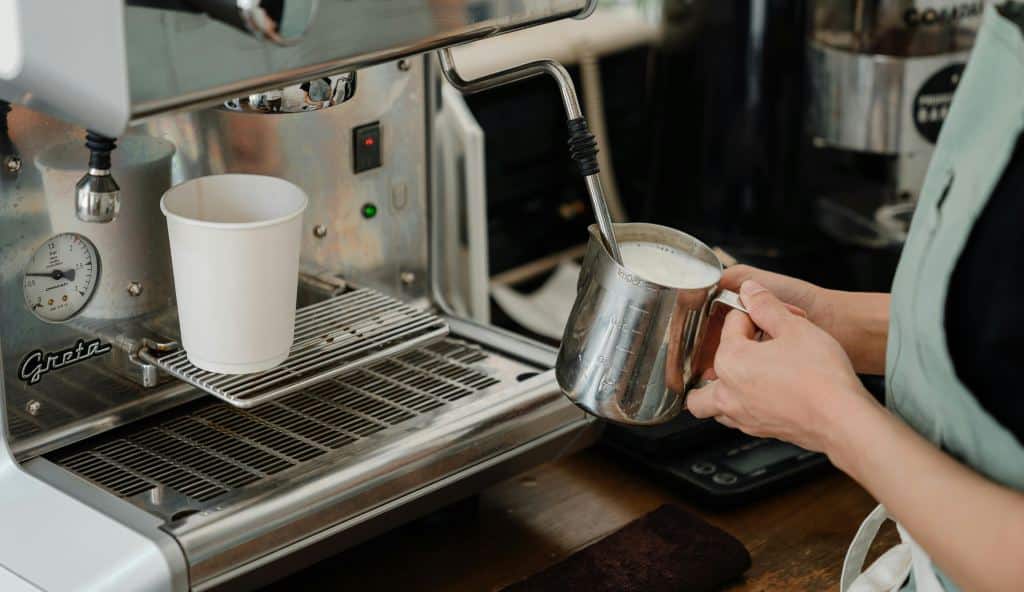
A smooth coffee drink can lose its appeal quickly when almond milk starts to separate in the cup. For baristas and beverage teams, curdling is not just a visual issue. It can affect texture, foam quality, and how well the milk integrates with espresso. Understanding why almond milk curdles in coffee can make it easier to improve cup appearance, drink consistency, and overall performance across hot and cold coffee applications.
A smooth coffee drink can lose its appeal quickly when almond milk starts to separate in the cup. For baristas and beverage teams, curdling is not just a visual issue. It can affect texture, foam quality, and how well the milk integrates with espresso. Understanding why almond milk curdles in coffee can make it easier to improve cup appearance, drink consistency, and overall performance across hot and cold coffee applications.
What Causes Almond Milk To Curdle In Coffee
Almond milk usually curdles in coffee when acidity, heat, and formula stability collide. Coffee creates a demanding environment, especially in espresso-based drinks, and if the almond milk is not built to handle that stress, the result can look grainy, streaky, or separated in the cup.
Coffee Acidity Can Disrupt The Blend
Coffee has natural acidity, and that acidity can destabilize almond milk once the two are combined. This tends to show up fastest in espresso drinks, where the coffee is more concentrated and the interaction is more intense. A milk that looks smooth on its own may start to separate once it hits the shot.
Heat Can Speed Up Separation
Heat can make weak spots in the formula show up even faster. A milk that seems acceptable when cold may become grainy, uneven, or visibly broken once it is steamed or added to very hot coffee. That is one reason temperature shock often makes curdling more noticeable during drink prep.
Coffee Can Expose Formula Weaknesses
Coffee does not always create the problem by itself. In many cases, it reveals that the almond milk was never built for steaming, frothing, espresso integration, or higher-temperature drink preparation.
General-use almond milks may work well in cereal or smoothies, but still struggle in café conditions. This distinction matters because some almond milks are formulated specifically for coffee, with more attention to froth, texture, and stability under real service conditions.
Almond Milk Formulation Factors That Affect Coffee Stability
Once the cause is clear, the next step is looking at the formula itself. Ingredient choice and processing both shape how well almond milk holds together in coffee.
- Protein Level Affects Structure: Protein helps support the beverage’s body. When that support is too light, almond milk may have a harder time staying smooth in coffee.
- Fat Distribution Affects Creaminess: Fat helps create a creamier texture, though it needs to stay evenly dispersed. When it does not, the drink can look less uniform in the cup.
- Stabilizers And Emulsifiers Support Suspension: These ingredients help the formula stay more even from pour to finish. When well-balanced, almond milk is more likely to hold together in coffee.
- Processing Helps Create A More Uniform Formula: Processing steps such as homogenization can improve texture and consistency. That can make a noticeable difference once the almond milk is added to coffee.
Some almond milks are made for general use, while others are developed specifically for coffee applications. Barista-style formulas are usually designed to handle steaming, foaming, espresso, and hot-drink conditions with greater consistency, helping them perform more smoothly in the cup.
Read: Why Most Barista Almond Milks Fail
Signs Your Almond Milk Formula Is More Likely To Curdle In Coffee
Before curdling becomes a bigger issue, the milk usually shows a few warning signs during steaming, pouring, or cup presentation. These clues often appear before the drink fully breaks.
Thin Or Watery Body
If the milk feels too light on its own, it may struggle more in espresso drinks and other hot coffee applications.
Visible Separation After Sitting
If the product separates quickly after sitting, that can point to a weaker structure. A formula that does not stay uniform on its own may also struggle more in coffee.
Grainy Texture After Pouring
A rough, flecked, or slightly broken appearance usually means the almond milk is not holding together once it meets coffee.
Weak Foam
Foam that rises quickly but collapses fast can signal broader stability issues. This often shows up early in hot drinks and makes latte art more difficult.
Poor Espresso Integration
If the almond milk looks streaky or broken after it is poured into the espresso, it usually indicates that the formula is not strong enough for coffee applications.
These signs usually point back to formula balance. When structure and suspension are not strong enough, curdling becomes much more likely in the final drink.
How To Keep Almond Milk From Curdling In Coffee
Keeping almond milk smooth in coffee starts with both formula design and drink preparation. A few practical steps can go a long way in improving cup performance.
1. Use An Almond Milk Built For Coffee Performance
A formula designed specifically for coffee applications is usually better equipped to handle espresso, steaming, and temperature stress. For baristas, the difference shows up after the milk hits the shot. Almond Milk 2.0 is meant to pour with a silky body that blends more seamlessly into espresso, hold dense microfoam for 45+ minutes, and give drinks a thicker, creamier feel instead of the thin, watery finish that can make almond milk drinks feel flat. It is also designed to complement the espresso rather than compete with it, which makes the cup feel more balanced, not just more stable.
2. Reduce Temperature Shock Before Mixing
A sharp jump from cold almond milk to very hot coffee can make separation more noticeable. Giving the milk a more gradual transition, whether through steaming technique or drink assembly, can help improve texture and reduce visible breakage in the cup.
3. Test Pour Order In Real Drink Conditions
The way almond milk and coffee are combined can affect the drink’s final appearance. Testing pour order in real café conditions can help reveal which method gives smoother integration, better layering, and a more polished final presentation.
4. Choose A Formula That Can Handle Acid And Heat
Coffee is a demanding environment, especially in espresso-based drinks. The milk needs to stay stable under acidity and temperature stress without losing texture, foam quality, or visual consistency. That is one reason barista-focused almond milks tend to perform better than formulas designed for general use.
Preventing curdling usually starts long before the drink is served. Better results tend to come from pairing good preparation habits with an almond milk that was designed for coffee from the start.
What To Look For In Almond Milk Made For Coffee Applications
When almond milk is made for coffee use, the goal is not just to avoid curdling. It should support a better overall beverage experience:
- Smooth Texture In The Cup: The drink should look even and feel well-built once coffee is added.
- Strong Steaming And Frothing: For barista drinks, almond milk should create foam that looks smooth and holds well.
- Clean Integration With Espresso: A coffee-ready formula should blend into espresso without turning streaky, grainy, or uneven.
- Consistent Flavor And Mouthfeel: The almond milk should support the coffee with a clean flavor and a dependable texture from batch to batch.
- Flexibility Across Beverage Formats: A strong formula should work across lattes, iced drinks, RTDs, smoothies, and other beverage applications.
At Harris Woolf Almonds, Almond Milk 2.0 reflects the kind of performance beverage teams look for in coffee applications. It is formulated with 33% more protein than other popular almond milks and a clean-label, no-added-oils formulation, which helps give it a richer feel and stronger overall functionality in coffee drinks.
Turn Coffee-Ready Almond Beverage Ideas Into Reality With Harris Woolf Almonds
When almond milk curdles in coffee, the issue usually comes down to heat, acidity, and formula design. A stronger formula can help create coffee applications with better stability, smoother texture, and more consistent performance.
For brands developing beverages, ingredient choice plays an important role in how those products come together. Harris Woolf Almonds is a vertically integrated, grower-owned ingredient partner with deep roots in almond innovation, offering Almond Milk 2.0, almond paste, and other almond and nut-based ingredients for food and beverage applications.
Bring your next almond-based concept to life with Harris Woolf Almonds. Request a sample today!